
How to Choose Fire-Rated LVT for Commercial Use (Restaurants, Offices, Hotels) and the Benefits of Low-Maintenance Vinyl
- Addtime: 2025-09-28 / View: 266
When outfitting commercial spaces—from bustling retail stores and high-traffic offices to hospitality venues like hotels or restaurants—flooring choices directly impact safety, operational efficiency, and long-term value. Two critical priorities for business owners, facility managers, and designers are fire safety (especially for fire-rated LVT flooring) and low maintenance demands—and vinyl-based flooring (including LVT) often stands out as a top solution.
Below, we break down the essential factors to weigh when selecting fire-rated LVT for commercial use, plus why easy-maintenance vinyl tiles outperform other flooring options in busy environments.
Part 1: What to Look for When Choosing Fire-Rated LVT Flooring for Commercial Spaces
Fire safety is non-negotiable in commercial buildings, where codes and regulations are strict to protect occupants, assets, and compliance. Fire-rated LVT (Luxury Vinyl Tile) combines the aesthetic flexibility of LVT with fire-resistant properties—but not all fire-rated LVT is created equal. Here are the key considerations to ensure you select a product that meets safety standards and your space’s needs:
1. Verify Fire Safety Certifications (Don’t Skip This!)
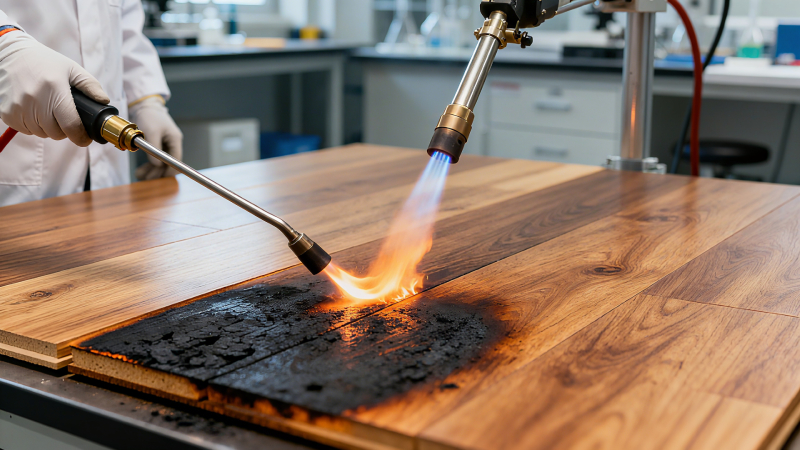
Commercial spaces must adhere to regional fire codes (e.g., ASTM E84 in the U.S., EN 13501-1 in the EU, or local standards like BS 476 in the UK). Look for fire-rated LVT with third-party certifications that confirm its performance:
• Flame Spread Index (FSI): Aim for an FSI of 25 or lower (classified as “Class A” or “Class 0” in many regions)—this means the flooring resists flames from spreading quickly during a fire.
• Smoke Development Index (SDI): An SDI under 450 is critical, as excessive smoke can be deadly even if flames are contained (common in offices, hotels, or retail spaces with enclosed areas).
• Fire Barrier Compatibility: If your space uses underfloor utilities (e.g., wiring, HVAC) or is in a multi-story building, ensure the fire-rated LVT is compatible with fire-rated underlayment or floor-ceiling fire barriers—this prevents fire or smoke from spreading between floors and meets local building code requirements.
Example: A restaurant kitchen or server station, where grease or open flames are present, requires fire-rated LVT with Class A FSI and low SDI to meet health and safety inspections.
2. Prioritize Durability That Complements Fire Resistance
Fire safety shouldn’t come at the cost of daily performance. Commercial spaces see heavy foot traffic, equipment movement (e.g., rolling carts in retail, cleaning machines in hotels), and occasional spills—so fire-rated LVT must also be:
• Thick Wear Layer: Opt for a wear layer of 20 mil or higher (30-40 mil for high-traffic areas like mall corridors). This layer protects the fire-resistant core from scratches, scuffs, or damage that could compromise safety over time.
• Impact Resistance: Choose LVT with a rigid core (e.g., SPC or WPC) that can withstand heavy loads (up to 500 lbs/sq. ft. for commercial use, ideal for office desks, restaurant host stands, or display racks) without cracking—cracks create gaps where fire or smoke could seep through, compromising safety.
3. Match the Flooring to Your Commercial Space’s Unique Risks
Not all commercial spaces have the same fire hazards. Tailor your fire-rated LVT choice to your venue’s specific needs:
• Hospitality/Retail: Spaces with frequent candle use (e.g., hotel lobbies, café patios) need LVT with enhanced heat resistance (look for products tested to withstand brief exposure to 150°C+ temperatures).
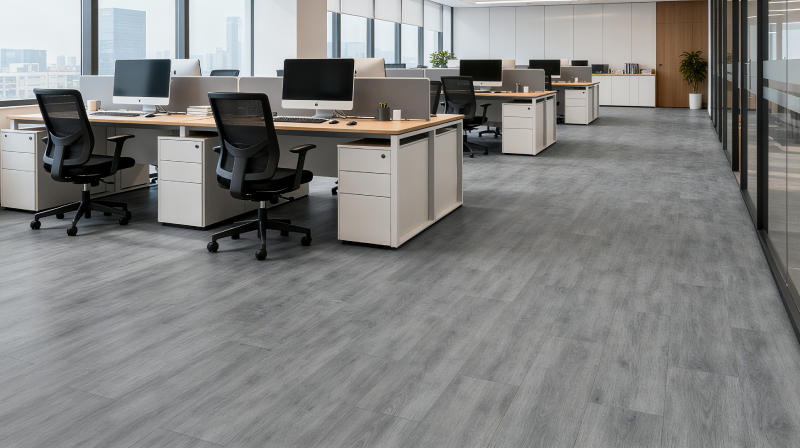
• Offices/Education: Areas with electrical equipment (e.g., server rooms, computer labs) benefit from fire-rated LVT that’s also static-resistant, to reduce the risk of electrical sparks igniting small fires.
• Healthcare: Clinics or hospitals require fire-rated LVT that’s waterproof and meets FDA/ISO sanitization standards (e.g., compatible with hospital-grade disinfectants)—moisture or bacteria buildup can weaken flooring over time, undermining its fire safety and hygiene compliance.
4. Ensure Installation Follows Fire Code Requirements
Even the best fire-rated LVT will fail if installed incorrectly. Work with a professional installer who:
• Uses fire-rated adhesives (avoid standard glues that may melt in high heat).
• Seals gaps between tiles (gaps can act as “chimneys” for fire or smoke).
• Provides documentation of compliance (critical for passing building inspections and insurance audits).
Part 2: Why Easy-Maintenance Vinyl Tile Flooring Outperforms Other Options for Commercial Spaces
For busy commercial operations, “low maintenance” translates to lower labor costs, less downtime, and a flooring that looks fresh for years—without sacrificing style. Easy-maintenance vinyl tiles (including LVT and standard vinyl tiles) outshine other popular flooring options (e.g., hardwood, carpet, ceramic tile) in three key ways:
1. Minimal Daily Upkeep Saves Time and Labor
Unlike flooring that requires specialized care, vinyl tiles thrive with simple, routine cleaning:
• Daily: A quick sweep or vacuum removes dirt and debris—no need for expensive equipment (e.g., hardwood polishers or carpet steam cleaners). For spills (coffee, soda, food grease), wipe with a damp mop and mild detergent—stains don’t set in, even if left for an hour (unlike carpet, which can develop permanent stains, or hardwood, which warps with moisture).
• Weekly: A deep clean takes 30 minutes or less—no stripping, waxing, or refinishing (a must for hardwood, which needs refinishing every 3-5 years, or ceramic tile, which requires regrouting every 2-3 years to prevent mold).
ROI Impact: According to commercial flooring industry data, a 10,000 sq. ft. retail store using vinyl tiles can cut cleaning labor costs by 40% annually compared to carpet (and 25% vs. hardwood)—staff spends less time on deep cleaning, stain removal, or refinishing, freeing up resources for core operations.
2. Durability Means Fewer Replacements (and Less Downtime)
Commercial spaces can’t afford to close for flooring repairs or replacements. Vinyl tiles are built to last:
• Resists Wear and Tear: Unlike carpet, which frays at high-traffic edges, or hardwood, which scratches easily, vinyl tiles have a protective wear layer that handles rolling carts, chair legs, and heavy foot traffic without showing damage.
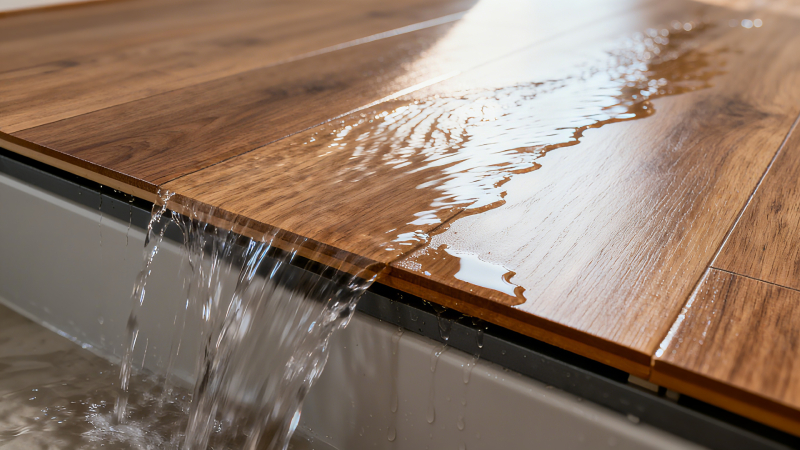
• Waterproof and Mold-Resistant: In spaces prone to moisture (e.g., hotel bathrooms, restaurant kitchens, retail entryways), vinyl tiles won’t warp, peel, or grow mold (unlike hardwood, which rots, or ceramic tile, where mold grows in grout lines). This eliminates the need for costly repairs (e.g., replacing water-damaged hardwood planks) or frequent grout cleaning.
Example: A hotel lobby with vinyl tiles can go 10+ years without replacement, while carpet in the same space would need to be replaced every 3-4 years (and hardwood would require refinishing twice in that time).
3. Style Flexibility Without the “High-Maintenance” Price Tag
Vinyl tiles mimic the look of high-end flooring (hardwood, marble, stone) but without the upkeep:
• Aesthetic Options: Choose from hundreds of designs—from warm oak wood grains to sleek marble—to match your brand (e.g., a boutique hotel might opt for stone-look vinyl, while a tech office could use modern concrete-look tiles). Unlike hardwood, which fades in sunlight, vinyl tiles feature UV-resistant coatings that keep colors vibrant and fade-free for years.
• Consistency: Unlike natural stone or hardwood (which has unique variations that can look uneven), vinyl tiles have uniform patterns—ideal for large spaces (e.g., open-plan offices or department stores) where a cohesive look matters.
How Vinyl Tiles Compare to Other Flooring: A Quick Breakdown
| Flooring Type | Daily Maintenance | Durability (Commercial Use) | Moisture Resistance |
| Vinyl Tiles (LVT/Standard) | Sweep + damp mop; no special products | 10-15 years | Fully waterproof |
| Hardwood | Daily dusting; monthly polishing; refinish every 3-5 years | 5-8 years (with refinishing) | Poor (warps with moisture) |
| Carpet | Daily vacuum; monthly steam cleaning; stain treatment | 3-4 years | Poor (molds if wet) |
| Ceramic Tile | Sweep + mop; regrout every 2-3 years | 10-15 years | Waterproof (but grout isn’t) |
Final Tips for Commercial Flooring Success
When selecting fire-rated LVT or easy-maintenance vinyl tiles:
1.Align with Your Space’s “Pain Points”: For a restaurant, prioritize fire-rated LVT with waterproofing; for an office, focus on easy-maintenance vinyl with static resistance.
2.Work with a Trusted Supplier: Choose a provider that offers fire safety documentation, samples, and professional installation—this ensures compliance and long-term performance.
3.Plan for the Long Term: While upfront costs matter, vinyl’s low maintenance and durability mean lower total cost of ownership (TCO) over 5-10 years compared to other flooring.
Whether you’re updating a retail store, hotel, office, or data center, fire-rated LVT and easy-maintenance vinyl tiles deliver the safety, efficiency, and style that commercial spaces demand—without the hassle of high upkeep. Partner with a trusted supplier like CWWIN Floor to access certified fire-rated LVT, durable SPC/WPC options, and professional installation that meets local codes.