
How to Use SPC Vinyl Plank for Kitchen/Laundry Room: Withstand Appliance Weight Safely
- Addtime: 2025-09-28 / View: 270
If you’re renovating your home or upgrading flooring—whether for the kitchen, living room, or bedroom—you’ve likely wondered: Will my new SPC vinyl plank flooring hold up under sofas, refrigerators, washing machines, or other heavy items? SPC (Stone Plastic Composite) vinyl plank is beloved for its durability and water resistance, but when it comes to supporting heavy furniture and appliances, clarity on its performance and proper use is key.
Below, we answer this critical question, break down SPC’s weight-bearing capabilities, and share practical tips to keep your floors intact—so you can shop with confidence and protect your investment. 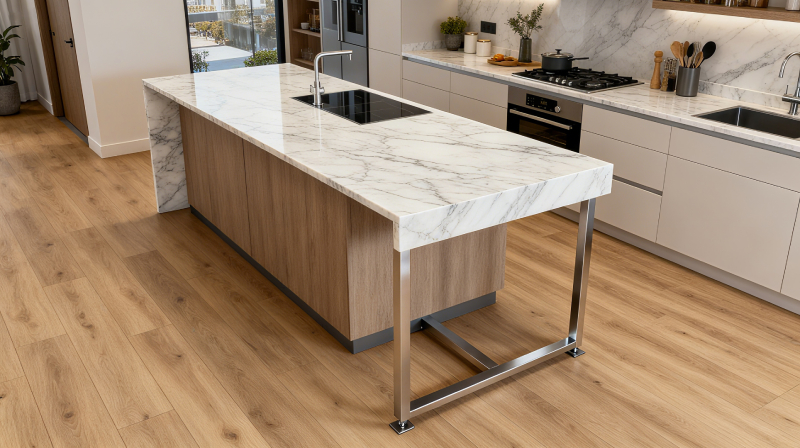
First: What Makes SPC Vinyl Plank Different (And Stronger)?
To understand why SPC handles weight well, let’s start with its structure. Unlike traditional vinyl, SPC vinyl plank is built with a high-density stone-plastic composite core (blended from limestone, PVC, and stabilizers) layered between a tough wear layer (enhanced with UV coating) and a moisture-resistant backing. This design gives it three key advantages for heavy items:
• High compressive strength: The dense core resists dents and deformation, even when weight is concentrated (e.g., furniture legs).
• Stability: It won’t swell, warp, or shift in humid spaces (like kitchens or laundry rooms) where appliances are often placed.
• Scratch resistance: The top wear layer protects against scuffs from moving furniture, a common issue with softer flooring.
This isn’t just marketing—SPC is widely used in high-traffic commercial spaces (like retail stores or offices) and homes, proving its ability to stand up to daily use and heavy loads.
How Much Weight Can SPC Vinyl Plank Actually Withstand?
The short answer: Enough to support most household furniture and appliances—when used correctly.
Most quality SPC vinyl planks (like those from CWWIN Floor) have a weight capacity of 500–700 pounds per plank (tested under standard residential conditions). To put this in perspective:
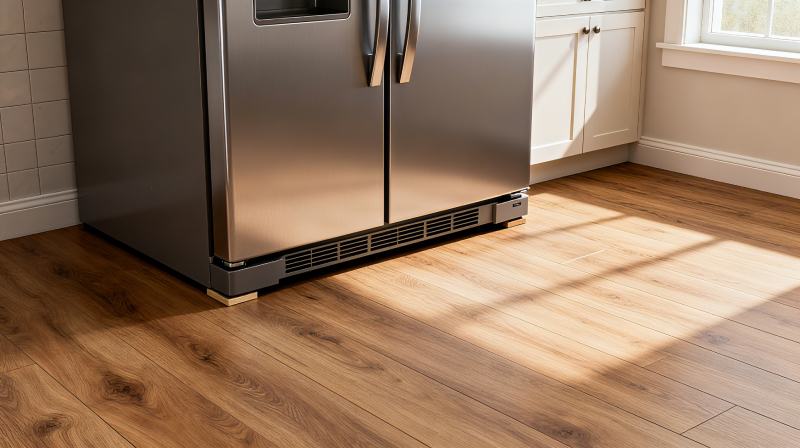
• A full-size refrigerator weighs 200–400 pounds (distributed across 4–6 planks, not just one).
• A sectional sofa or king-size bed frame typically weighs 300–600 pounds (weight spread over multiple planks via legs or a base).
• Smaller appliances (microwaves, blenders, or even a home gym treadmill) fall well below this limit.
The only exception? Extremely heavy, concentrated loads—like a commercial-grade freezer (over 800 pounds) or a piano with narrow legs (which focuses weight on 1–2 planks). For these, we’ll share easy fixes later.
5 Critical Tips to Prevent Damage (Even With Heavy Items)
SPC is durable, but it’s not indestructible. Follow these simple steps to keep your floors scratch-free, dent-free, and looking new for years:
1.Always Use Furniture Pads or Glides (Avoid Rubber!)
Heavy furniture legs concentrate weight on tiny spots—this is the #1 cause of dents. Fix it by:
• Adding felt or cotton furniture pads to chair, sofa, and table legs. These disperse weight evenly and prevent scratches.
• Using metal or plastic glides for items you move often (e.g., dining chairs, rolling carts). Never use rubber pads—rubber reacts with vinyl over time, causing staining or discoloration.
2.Lift, Don’t Slide, Heavy Appliances/Furniture
Dragging a refrigerator, washing machine, or couch across SPC can scratch the wear layer or shift planks (even with glides). Instead:
• Recruit help to lift items fully off the floor before moving them.
• For large appliances (like fridges), use a moving blanket under the base to protect the floor while you slide (but only for short distances).
3.Add Area Rugs Under High-Weight Zones
For items that stay in one place long-term (e.g., a piano, home gym equipment, or a heavy sideboard), place a non-slip area rug underneath. Rugs:
• Spread weight across a larger surface area (reducing pressure on individual planks).
• Catch dirt and debris that could scratch floors when you clean around the item.
Choose rugs with a vinyl-safe backing (avoid latex or rubber backings) to prevent staining.
4.Prep the Subfloor (It Matters More Than You Think)
Even the strongest SPC will fail if the subfloor is uneven. Before installation:
• Ensure concrete or wood subfloors are smooth, level (no bumps over 1/8 inch), and free of debris.
• Use an underlayment (recommended for SPC) to add cushioning, reduce noise, and create a uniform surface—this extra layer also helps distribute weight.
CWWIN’s SPC flooring works with most subfloors (including existing tile or hardwood, no need to tear up old floors!)—ask our team for subfloor prep guidelines.
5.Leave Gaps for Expansion (Avoid Buckling)
Like all vinyl, SPC expands slightly with temperature/humidity changes (e.g., summer heat or kitchen steam). If heavy furniture blocks expansion:
• Leave a 1/4–1/2 inch gap between the floor and walls (this is standard for vinyl installation).
• Don’t push furniture flush against walls—leave 1–2 inches of space to let planks expand without buckling.
When to Choose SPC (And Where It Shines Most)
SPC isn’t just for weight—it’s perfect for specific home spaces where durability and practicality matter. Here are the top scenarios where SPC is a no-brainer:
|
Room/Use Case
|
Why SPC Works
|
Example Heavy Items It Supports
|
|
Kitchen
|
Waterproof (spills!) and scratch-resistant
|
Refrigerator, oven, dishwasher, heavy kitchen islands
|
|
Laundry Room
|
Moisture-resistant (no warping from washer/dryer)
|
Washing machine, dryer, storage cabinets
|
|
Living Room
|
Scratch-resistant (pets, kids) and sturdy
|
Sectional sofas, coffee tables, entertainment centers
|
|
Home Office
|
Durable for rolling chairs and heavy desks
|
Office desk, filing cabinets, rolling task chairs
|
For basements or bathrooms (extra humid spaces), CWWIN’s SPC also includes a moisture barrier backing—ideal for supporting bathroom vanities or storage units.
Real CWWIN Case: A family in Chicago installed our SPC flooring in their kitchen 3 years ago, with a 350-lb French-door fridge and 200-lb kitchen island placed directly on the planks. To date, they report no dents, scratches, or warping—even with weekly cleaning and kids’ playtime around the island.
Why CWWIN’s SPC Vinyl Plank Stands Out for Heavy Use
Not all SPC is created equal. CWWIN’s SPC flooring is engineered for real homes (and real weight) with:
• A 20mil wear layer (thicker than many competitors’ 12mil layers) for maximum scratch resistance.
• A high-density core (1.2g/cm³ density) that handles 600+ pounds per plank—perfect for large appliances.
• Eco-friendly materials (no formaldehyde, recyclable) that are safe for kids and pets.
• Easy click-lock installation (no glue, no waiting—move furniture in the same day!).
We’ve supplied SPC flooring to thousands of homes, offices, and even small businesses (like a local bakery in Seattle that uses our SPC in their kitchen, supporting 400-lb mixers and metal storage racks). Feedback consistently highlights its ability to hold up to heavy loads and daily wear.
Final Verdict: Yes, SPC Can Handle Your Furniture/Apps (With These Steps)
SPC vinyl plank flooring is more than capable of supporting most household heavy items—from refrigerators to sectionals—when installed and maintained correctly. Its dense core, scratch-resistant layer, and stability make it one of the most practical flooring choices for busy homes.
For extreme cases (e.g., 800+ pound appliances), just add a weight-dispersing pad or rug—and you’re good to go.