
What to Look for in Easy Maintenance Vinyl Flooring? For Homes, Offices, Restaurants & Special Commercial Spaces
- Addtime: 2025-09-25 / View: 254
When it comes to flooring choices for residential homes (like living rooms, bathrooms, and bedrooms) or commercial spaces (such as offices, retail stores, and restaurants), easy maintenance vinyl tile flooring has become a top pick for many. It saves time on upkeep while still offering style and durability. But with so many options available, how do you choose the right one? Below are the key factors to consider, designed to answer your most common questions and help you make a decision that fits your space, lifestyle, and needs.
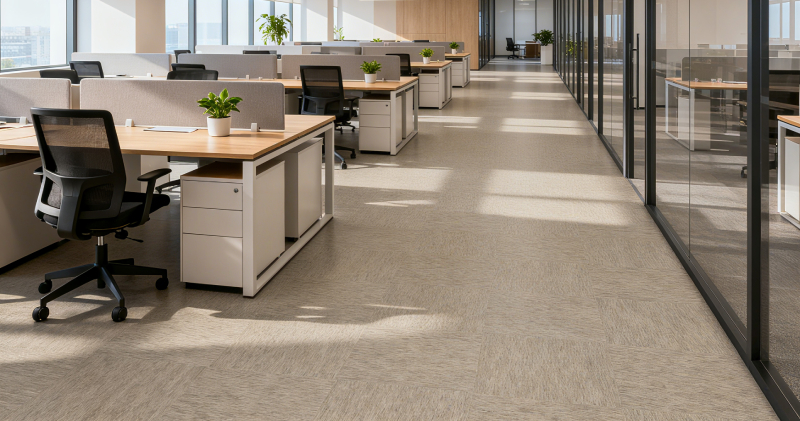
1.Prioritize Wear Layer Thickness & Material: The Foundation of Easy Maintenance
The wear layer is the top protective coating of vinyl tiles, and it directly determines how easy your floor is to clean and how long it lasts—two core needs for “easy maintenance.” A high-quality wear layer resists scratches, stains, and daily wear, so you won’t have to spend extra time fixing small damages or deep-cleaning tough marks.
• Residential Spaces (Low to Medium Traffic): For areas like bedrooms, guest rooms, or home offices (where foot traffic is lighter), a wear layer of 6–12 mil (0.15–0.3mm) works well. Look for tiles with a UV-cured wear layer—this coating repels dust and minor spills, so a quick sweep or damp mop is all you need to keep it clean.
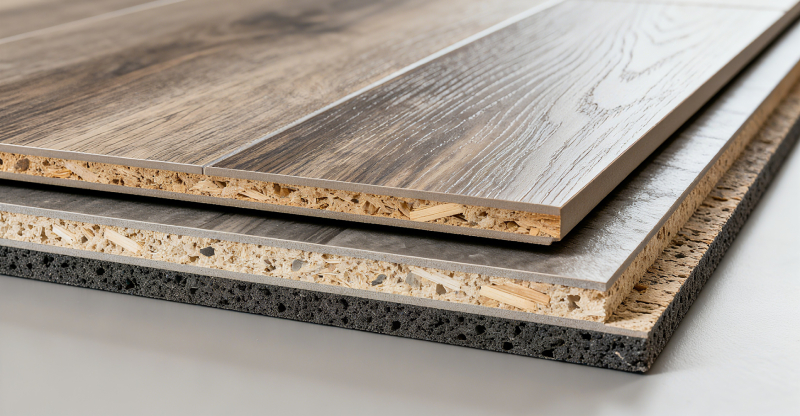
•Commercial Spaces (High Traffic): For busy areas like retail store aisles, restaurant dining rooms, or office lobbies, opt for a wear layer of 20 mil (0.5mm) or thicker. Tiles with a rigid core (such as SPC, or Stone Plastic Composite) are even better—they’re dense, resistant to dents from heavy foot traffic or rolling chairs, and won’t warp if spills are left for a short time (a common scenario in commercial settings). This is especially critical for spaces like data rooms or financial service offices, where both durability and low upkeep are non-negotiable.
Avoid thin wear layers (under 6 mil) for long-term easy maintenance—they scratch easily, requiring frequent touch-ups or even replacement, which adds more work and cost over time.

2.Choose Water & Stain Resistance: Match to High-Moisture or Spill-Prone Scenes
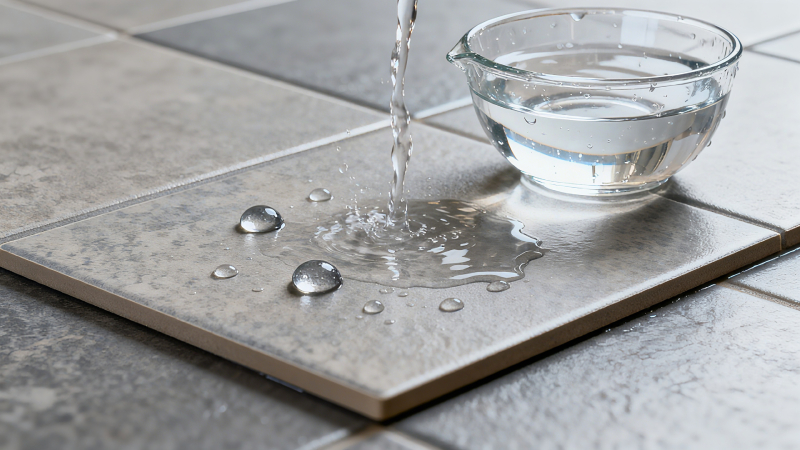
One of the biggest reasons people choose easy maintenance vinyl tile is its resistance to water and stains—critical for spaces where spills or moisture are common. But not all vinyl tiles offer the same level of protection, so you need to match the tile’s resistance to your space’s “wet or messy” risks.
• Residential Wet Areas: Bathrooms, kitchens, and laundry rooms are prone to water splashes (from showers, sinks, or washing machines) and food stains (like sauce or coffee). Look for vinyl tiles labeled “100% waterproof” (not just water-resistant) with a sealed edge. These tiles won’t absorb moisture, so you can wipe up spills with a damp cloth without worrying about mold or warping. For kitchens, consider tiles with a matte or textured finish—they hide water spots and minor food smudges better than glossy ones.
• Commercial Spill-Prone Zones: Restaurants (especially fast-casual spots), cafes, or office break rooms often deal with drink spills, food crumbs, or even cleaning chemicals. Choose vinyl tiles with a stain-resistant top layer—many are treated to repel oil, ketchup, soda, and other common commercial spills. For high-stakes commercial spaces like banks, telecom rooms, or military command centers, opt for tiles with enhanced waterproof and sealing properties (such as those with galvanized steel encasements or calcium sulfate cores)—they not only resist moisture but also meet strict anti-static and fire safety standards, while still being easy to wipe clean.
Pro tip: For spaces with kids or pets (residential) or high customer turnover (commercial), skip vinyl tiles with porous materials—they trap stains and require harsh cleaners, which go against “easy maintenance.”
3.Pick the Right Installation Type: Reduce Long-Term Upkeep Hassles
Installation might seem like a one-time step, but the method affects how easy your vinyl tile is to maintain over the years. Some installation types create gaps or require special care, while others are designed for minimal upkeep.
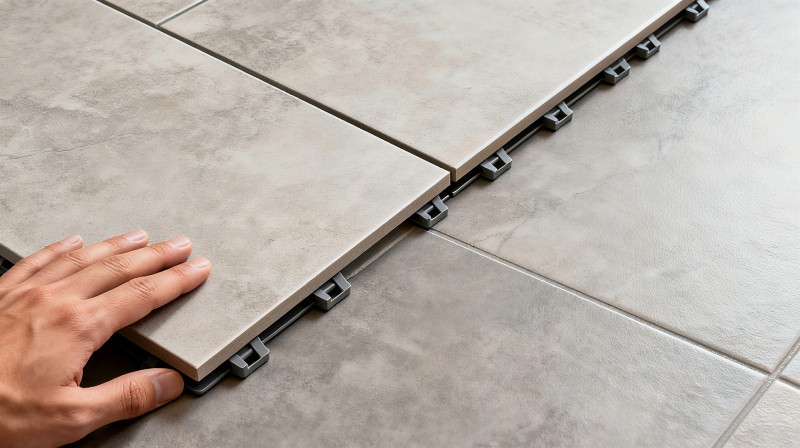
• Click-Lock Installation (Best for Most Spaces): Click-lock vinyl tiles snap together without adhesive, creating a tight seal that prevents dust, dirt, or moisture from getting under the floor. This means you won’t have to vacuum or clean “hidden” dirt under tiles, and if a single tile gets damaged (e.g., a cracked tile in a residential hallway or a stained tile in a retail store), you can replace it easily—no need to rip up the entire floor. It’s great for DIY homeowners or commercial spaces that need quick updates, like pop-up shops or temporary office areas.
• Glue-Down Installation (For High-Traffic Commercial Areas): Glue-down tiles are stuck directly to the subfloor, so they’re extra stable for heavy commercial use (like department stores, airports, or 5A smart office buildings). While installation takes longer, the seamless surface leaves no gaps for dirt to collect—perfect for spaces that need frequent sanitizing (like hospitals or grocery store checkout areas). Just ensure the installer uses a high-quality, moisture-resistant adhesive to avoid peeling (which would require costly repairs).
• Loose-Lay Installation (Temporary or Low-Traffic Spots): Loose-lay tiles have a grip backing that keeps them in place without glue or clicks. They’re the easiest to install but less durable—best for temporary spaces (like event venues) or residential guest rooms. Note that they can shift slightly, so you may need to reposition them occasionally.
Always check if the vinyl tile comes with a pre-attached underlay. Underlay adds cushioning (making cleaning more comfortable) and soundproofing, and it prevents the subfloor from affecting the tile—saving you from future maintenance issues like uneven floors. For commercial spaces with modular design needs (such as OA office floors), tiles that work with interchangeable underlays or core systems are even better—they simplify upgrades and repairs.
4.Align Style with Space Function: No Compromise on Aesthetics or Practicality
Easy maintenance doesn’t mean sacrificing style—vinyl tiles come in endless designs that mimic wood, stone, or even patterns. The key is to choose a style that fits your space’s function, so you won’t have to stress about keeping it “looking perfect.”
• Residential Style Tips:
° Living rooms or bedrooms: Wood-look vinyl tiles (in oak, maple, or walnut) add warmth. Opt for lighter tones if you have kids or pets—they hide pet hair and minor scuffs better than dark wood.
° Bathrooms: Stone-look vinyl (like marble or travertine) gives a luxury feel without the high maintenance of real stone. Choose a textured surface to prevent slipping when wet.
• Commercial Style Tips:
° Offices or lobbies: Neutral-colored tiles (gray, beige) or subtle geometric patterns keep the space professional. They hide dust and foot traffic marks, so you won’t need to clean as often—ideal for busy 5A intelligent buildings where first impressions matter.
° Retail stores or restaurants: Bold patterns (like Moroccan tiles or herringbone) can brand your space, but stick to matte finishes—they’re easier to wipe down than glossy ones (which show fingerprints and smudges). For specialized commercial spaces like clean rooms or military command centers, plain, non-porous finishes are better—they avoid trapping particles and are simple to sanitize.
Remember: The best “easy maintenance” style is one that doesn’t require constant touching up. Avoid highly detailed patterns that highlight small stains, or extremely light colors that show dirt unless you’re willing to clean more frequently.
5.Check Warranty & Brand Reliability: Ensure Long-Term Peace of Mind
A strong warranty is a sign of a high-quality, easy-maintenance vinyl tile—it means the manufacturer stands behind its durability, so you won’t have to pay for unexpected repairs.
• Residential Warranties: Look for warranties of 10–25 years for residential use. Many top brands cover wear layer damage (like scratches) and water damage, as long as the tile is installed correctly.
• Commercial Warranties: Commercial spaces need longer warranties (15–30 years) because of higher traffic. Ensure the warranty covers “commercial use” specifically—some residential warranties don’t apply to commercial settings. For spaces with strict standards (like banks, power sectors, or aerospace facilities), look for brands that offer warranties for specialized properties (anti-static, fire resistance, or chemical resistance) in addition to basic wear and tear.
Choose reputable brands with a track record in easy maintenance vinyl (like those offering SPC or waterproof lines, or specialized commercial flooring solutions). These brands often provide care guides (e.g., which cleaners to use, how to handle stains) that make upkeep even simpler. Avoid unknown brands—they may cut corners on materials, leading to more maintenance work later.
FAQ: Answers to Common Questions About Easy Maintenance Vinyl Tile
• Q: How does easy maintenance vinyl tile compare to other flooring types (like hardwood or carpet) in terms of long-term upkeep?
A: Unlike hardwood (which needs waxing and avoids moisture) or carpet (which requires frequent deep cleaning to remove stains and allergens), easy maintenance vinyl tile only needs regular sweeping and damp mopping. It also resists scratches and water damage better, so you’ll spend less time on repairs or replacements—saving both time and money over 5–10 years.
• Q: Can easy maintenance vinyl tile be used in specialized commercial spaces, like data rooms or clean rooms?
A: Yes—if you choose tiles with added properties like anti-static coatings, fire resistance, or non-porous cores (such as calcium sulfate or steel-encased designs). These tiles meet the strict requirements of specialized spaces while still offering low upkeep—for example, anti-static vinyl tiles in data rooms can be wiped clean without damaging their electrostatic protection.
• Q: Is DIY installation possible for easy maintenance vinyl tile, and will it affect its durability?
A: Click-lock and loose-lay vinyl tiles are perfect for DIY installation—they require no special tools and create a tight seal if installed correctly. Glue-down tiles are better left to professionals, especially for commercial spaces, to ensure the adhesive bonds properly (poor installation can lead to gaps or peeling, which increases maintenance). As long as you follow the manufacturer’s guidelines, DIY installation won’t reduce the tile’s durability.
Final Thoughts: Match the Tile to Your Space’s “Pain Points”
The best easy maintenance vinyl tile for your home or business is the one that solves your specific problems:
• If you’re a busy parent: Prioritize waterproof, scratch-resistant tiles with a light wood look.
• If you own a restaurant: Go for thick wear layer SPC tiles that resist oil stains and heavy traffic.
• If you manage an office or 5A smart building: Choose click-lock vinyl with a neutral finish for quick cleaning and easy tile replacement.
• If you oversee specialized spaces (like banks, telecom rooms, or military centers): Opt for tiles with anti-static, fire-resistant, or waterproof cores—they meet industry standards while keeping upkeep simple.
By focusing on these factors, you’ll select a vinyl tile that keeps your space looking great—without the hassle of constant maintenance. If you need further guidance on finding tiles that fit your space’s unique needs (whether residential or commercial), exploring specialized flooring providers can help you match your requirements to the right product.